
Our LCA approach helps us improve sustainability, reduce waste, and contribute to a circular economy, ensuring that our products support eco-friendly and responsible choices for modern workspaces.
With the Life Cycle Analysis (LCA), Zipperwall actually measured the environmental effects of its own products. We also had the circularity (MCI) of the product calculated. This is no less than 99.84%.
Zipperwall is committed to sustainable and circular construction. Through choices for sustainable, local products and smarter use of materials. With our ready-to-use circular solution, we want to help organizations organize and renovate their buildings easily and flexibly.
Without waste!
Life Cycle Analysis (LCA) has been carried out on Zipperwall products (partition walls and space-in-spaces). Zipperwall was the first space-in-space provider in the Netherlands for which an LCA has been done.
Due to the circular nature of the product, the sustainable materials, local production and short logistics lines, both the wall and the space-in-space have a very low environmental impact. This makes Zipperwall very interesting for governments and companies that want to select suppliers and products that:
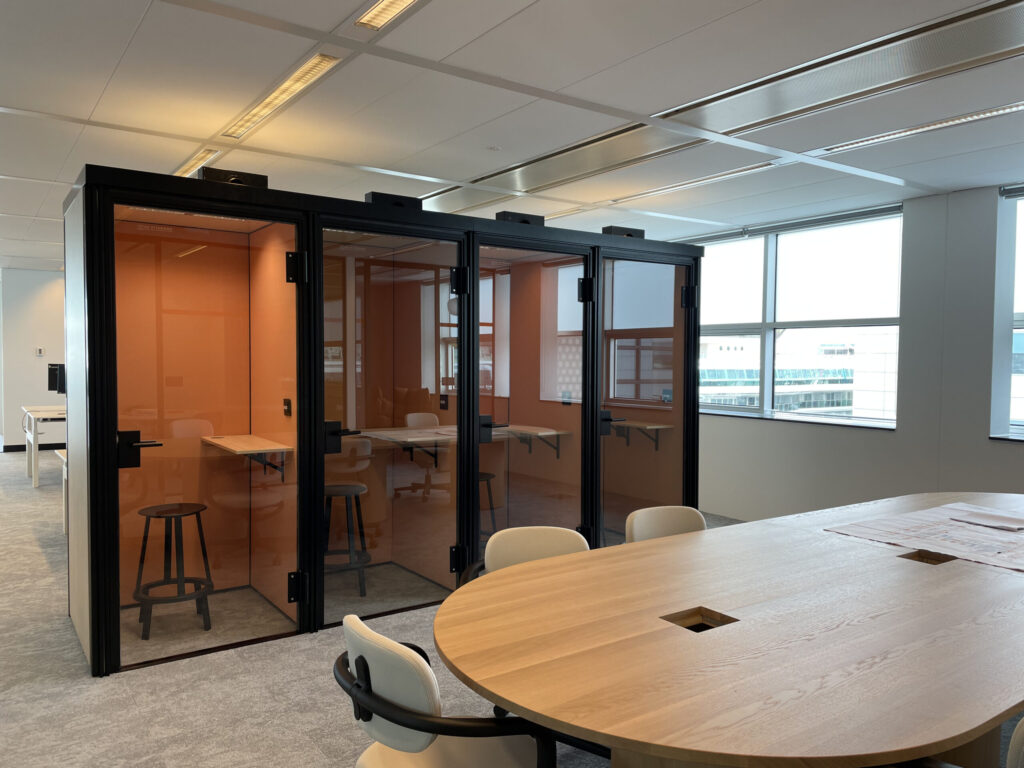
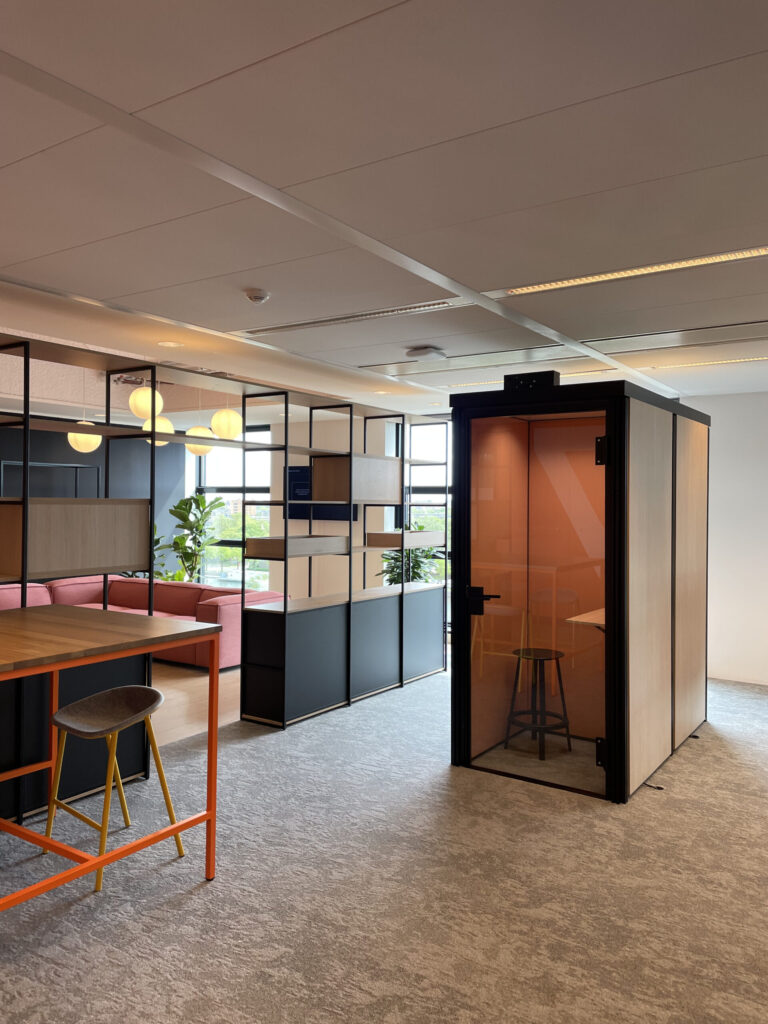
In our production process we work as locally as possible, so that we keep our transport low. We make high-quality products because we know they last longer. This is very important for a circular product whereby the responsibility for taking it back lies with us.
We see circularity as the core of our business. For example, we consciously choose to do a number of things but more important: to not do a number of things. What is circular is good for us, and therefore also good for you.
At Zipperwall, sustainability is at our core. We prioritize recycled materials and choose conscious, local production over cheap, distant manufacturing. If a material isn’t reusable or poses a risk to the environment, it has no place in our process.
Beyond the product itself, we minimize our footprint by reducing tool usage and streamlining transport. We don’t believe in disposal—our goal is to maximize the lifecycle and utility of every single material we use
Whenever possible we choose the most sustainable raw materials and products with the lowest possible carbon footprint. We repurpose materials from existing waste streams, such as PET and aluminum, and transform them into new wall systems. Repairability is central to our process: every component, down to the smallest part, is designed to be restored.
In selecting our products and materials, we prioritize local sourcing over long-distance transport to keep our logistical footprint to a minimum. We consciously choose quality because durable products simply last longer. This is essential for a circular product, where we take full responsibility, including product take-back. Everything is given a second life: either in its original form or, if that’s not possible, through a new application within our company or beyond.
We know our industry inside out, but we also recognize it is time for a new perspective. We are redefining traditional methods, with circularity as the common thread in everything we do.
By recycling raw materials, we keep our carbon footprint to an absolute minimum.
By creating high-quality products with a long lifecycle and a well-defined end-of-life strategy, we deliver more than just sustainable quality; we create a unique circular business model that benefits both you and us.
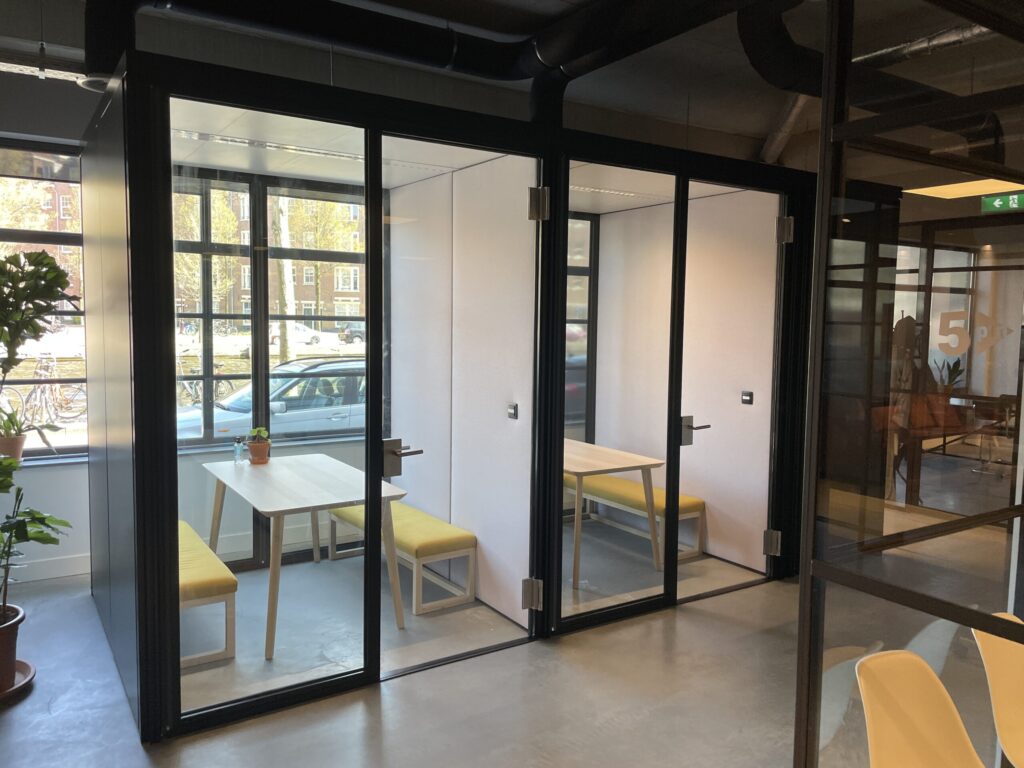
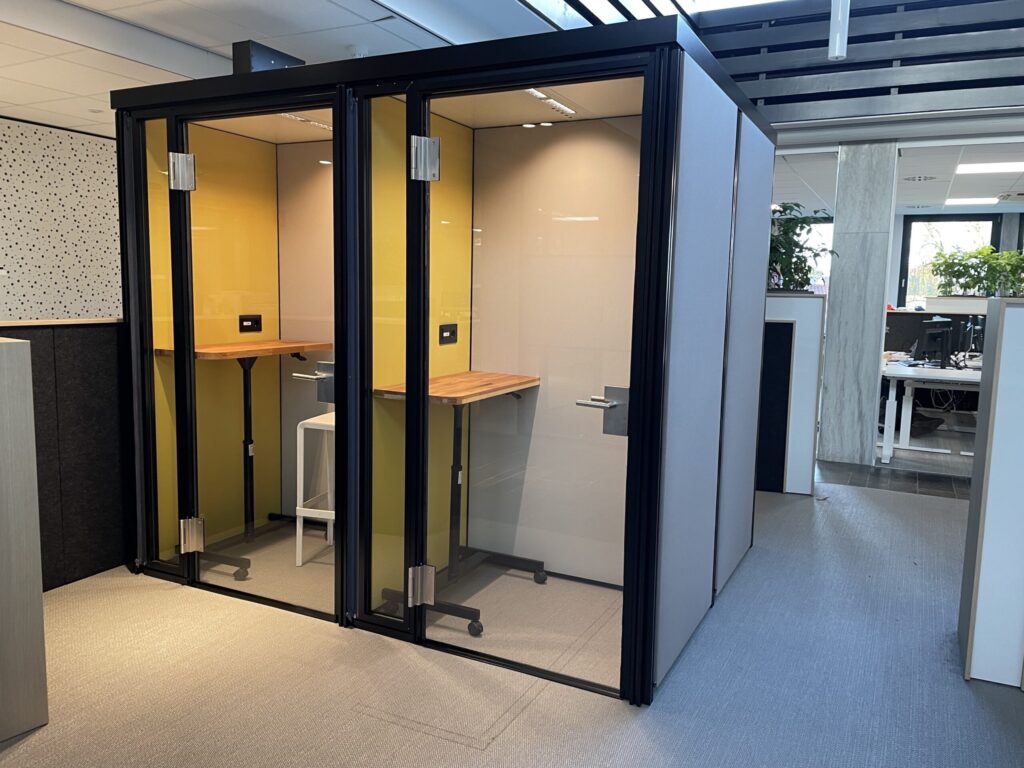
Are you curious about our products
Feel free to call or email us, we would like to get in touch!
Or send the contact form to us.